
Tony Campisi: The Private Life of the Man Married to Kathy Bates for Six Years

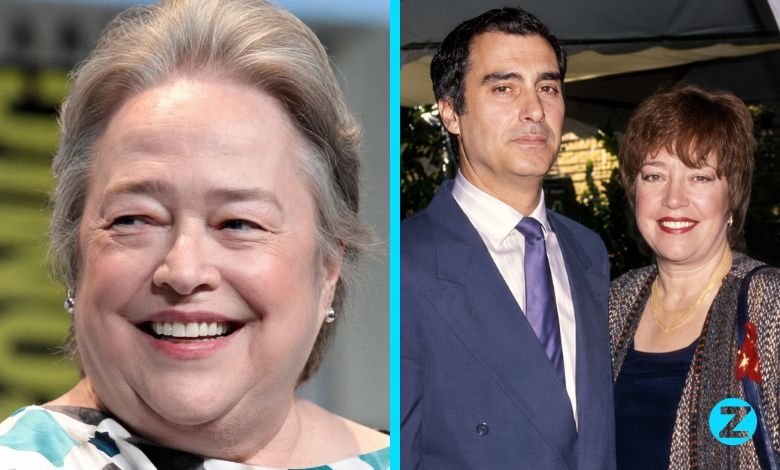
Tony Campisi is a name many people discover through Kathy Bates, the Oscar-winning actress known for her unforgettable roles in Misery, Titanic, Dolores Claiborne, and many other screen classics. Their marriage lasted six years, but his story is not only about being connected to a Hollywood legend.
Behind the familiar headline is a quieter figure: an actor, a private man, and someone who lived close to fame without fully turning his own life into a public show. Tony Campisi may not be a household name like Kathy Bates, but his career and personal choices reveal a man who preferred work, privacy, and a life away from constant media attention.
Quick Bio
| Field | Details |
|---|---|
| Full Name | Tony Campisi |
| Profession | Actor |
| Known For | Film and television acting |
| Famous Connection | Former husband of Kathy Bates |
| Marriage | Married Kathy Bates in 1991 |
| Divorce | Divorced in 1997 |
| Marriage Duration | Around six years |
| Notable Works | Spider-Man 2, Law & Order: Criminal Intent, Law & Order: SVU, A Home of Our Own |
| Public Image | Private and low-profile |
| Nationality | American |
| Current Status | Keeps his personal life away from the public spotlight |
Who Is Tony Campisi?
Tony Campisi is an American actor who built his career through film and television roles. He is best known for supporting appearances rather than leading a celebrity status. That distinction matters because Hollywood is not made only of stars on posters. It is also shaped by actors who appear in smaller roles and give stories a more believable texture.
Campisi appeared in projects such as A Home of Our Own, Spider-Man 2, Law & Order: Special Victims Unit, Law & Order: Criminal Intent, Ally McBeal, Profiler, and Blue Bloods. These roles show that he worked across different parts of American television and film, especially in drama and crime-focused productions.
Unlike many people linked to famous partners, Tony Campisi did not seem to chase public attention. He stayed mostly outside the gossip cycle. This makes him interesting in a different way. His name is connected to fame, but his public image remains controlled, limited, and private.
His Marriage to Kathy Bates
The most searched part of Tony Campisi’s life is his marriage to Kathy Bates. The couple married in 1991 and divorced in 1997. Their marriage lasted around six years, but their connection began much earlier.
Before they married, Campisi and Bates reportedly had a long relationship. They were together for years before making it official. Their relationship developed before Bates became one of the most recognised actresses in Hollywood, which makes their story different from many celebrity marriages built after fame arrives.
The timing of their marriage was also important. Bates won the Academy Award for Best Actress for her powerful performance in Misery around the same period. Her career suddenly moved into a much brighter spotlight. With awards, major roles, interviews, and industry attention came a new level of pressure.
For any couple, fame can change daily life. For two actors, it can be even more complicated. Work schedules, auditions, travel, and public expectations can pull people in different directions. Campisi and Bates eventually divorced, but their marriage remains a notable chapter in both of their lives.
Tony Campisi as an Actor
Tony Campisi’s acting career deserves attention on its own. While he may not have become a leading Hollywood star, he worked in recognised productions and appeared in roles that added depth to larger stories.
His appearance in A Home of Our Own is especially remembered because the film starred Kathy Bates. The project linked their professional and personal lives during their marriage. However, Campisi’s screen work went beyond that connection.
He later appeared in Spider-Man 2, one of the major superhero films of the early 2000s. He also appeared in the Law & Order television universe, which is known for using strong guest actors and character performers. Shows like Law & Order: SVU and Law & Order: Criminal Intent often depend on actors who can make brief roles feel real and memorable.
This kind of career may not always bring massive public fame, but it requires skill, discipline, and patience. Supporting actors must often do a lot with limited screen time. They step into a scene, create a believable character, and support the main story without taking attention away from it.
That is where Tony Campisi fits best: not as a loud celebrity figure, but as a working actor with a steady presence.
Why His Private Life Still Draws Interest
People remain curious about Tony Campisi because Kathy Bates continues to be a major figure in entertainment. Her long career, awards, and powerful performances keep her in public conversation. Naturally, fans want to know more about the people who were once close to her.
But there is another reason his name attracts attention. Campisi represents a type of Hollywood figure that feels rare today. In an age when personal lives are often turned into content, he has remained largely private. There are no constant headlines, no public drama, and no heavy social media presence shaping his image.
That silence creates curiosity. People want to know who he is, where he is now, and what his life looked like beyond the marriage. Yet the limited public information also suggests something important: not everyone connected to fame wants to live publicly.
Tony Campisi’s private life shows that some people choose distance from celebrity culture. Even when linked to an Oscar-winning actress, he did not build his identity around her success. He allowed his work to speak more than his personal story.
His Place in Kathy Bates’ Story
Kathy Bates’ career is filled with landmark roles. From her terrifying and brilliant performance in Misery to her later work in film and television, she became known for her emotional range, strength, and fearless acting. Tony Campisi was part of her life during a major period of that journey.
Their marriage happened during a time when Bates was moving from respected stage and screen actress to international star. It was a period of change, pressure, and professional growth. Campisi’s presence in that chapter makes him part of her wider story, but not the whole story.
It is important to avoid reducing him to only “Kathy Bates’ ex-husband”. That phrase may be useful for search engines, but it is too narrow for a real person. He had his own career, his own choices, and his own life away from the actress’s spotlight.
Their relationship ended many years ago, but public interest continues because celebrity history often keeps old connections alive. Still, Campisi’s life appears to have been shaped more by privacy than publicity.
Conclusion
Tony Campisi is often introduced as the man who was married to Kathy Bates for six years, but that description only tells part of the story. He is also an actor who worked steadily in film and television, a private figure in a very public industry, and someone who chose not to turn personal fame into a constant spotlight.
His connection to Kathy Bates will always bring attention to his name, but Tony Campisi’s story goes beyond that marriage. It is the story of a man who stood near Hollywood fame, worked within the entertainment world, and still managed to remain quietly his own person.
Read this too: Heather Daltrey: The Private Family Anchor and Untold Story of Roger Daltrey’s Wife and 1960s Model
(FAQs)
Who is Tony Campisi?
Tony Campisi is an American actor known for film and television roles, including appearances in Spider-Man 2 and the Law & Order franchise.
Was Tony Campisi married to Kathy Bates?
Yes, Tony Campisi was married to Kathy Bates from 1991 until their divorce in 1997.
How long were Tony Campisi and Kathy Bates married?
They were married for around six years.
Is Tony Campisi also an actor?
Yes, he worked as an actor and appeared in several films and television shows.
Why is Tony Campisi famous?
He is mainly known for his acting work and for being the former husband of Oscar-winning actress Kathy Bates.
Does Tony Campisi live a public life now?
He appears to keep a very private life, and there is limited public information about his current personal activities.