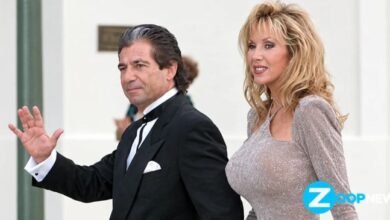
Catherine Hawn: The Private Life and Real Story Behind Dean Martin’s Marriage

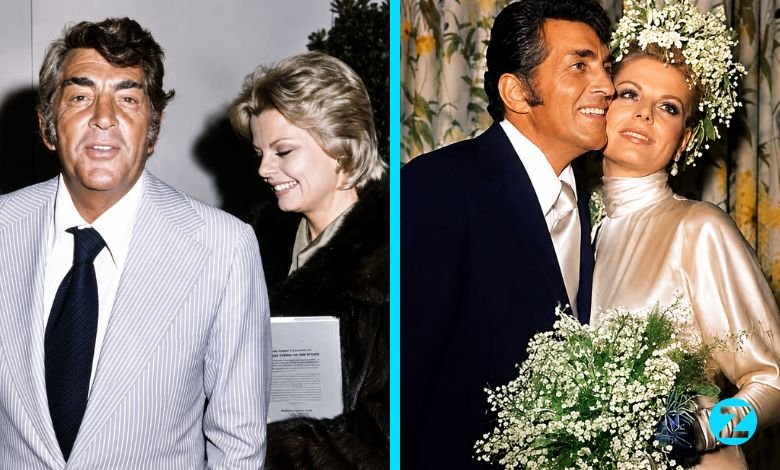
Catherine Hawn is best known as the third wife of legendary American entertainer Dean Martin, but her story goes far beyond that famous connection. Their marriage in the 1970s briefly placed her inside the glamorous world of Hollywood, yet she chose a very different path when the spotlight faded. The life of Catherine Hawn continues to attract curiosity because she represents something rare in celebrity culture — a person who experienced sudden fame and then stepped away from it completely.
This article explores the life of Catherine Hawn, her relationship with Dean Martin, their short-lived marriage, and what is known about her life after Hollywood. It also uncovers why her story still fascinates fans of classic entertainment.
Quick Bio
| Details | Information |
|---|---|
| Full Name | Catherine Hawn |
| Known For | Third wife of legendary entertainer Dean Martin |
| Nationality | American |
| Famous Marriage | Married Dean Martin in 1973 |
| Marriage Duration | Around 3 years (1973–1976) |
| Public Life | Brief Hollywood presence during marriage |
| Occupation | Former Beverly Hills salon worker (reported) |
| Children | Had a daughter named Sasha (adopted by Dean Martin) |
| Current Status | Lives a private life away from media attention |
| Known For Trait | Choosing privacy after Hollywood fame |
Who Is Catherine Hawn? A Quiet Life Before Fame
Before becoming widely known as Catherine Hawn, she lived a very private and ordinary life. Most reports describe her as a woman originally connected to Ohio, USA, who later worked in Beverly Hills during the peak of Hollywood glamour.
She was not a celebrity, actress, or singer. Instead, she worked in a service role in the beauty industry, often linked with a Beverly Hills salon environment where she was surrounded by stars but not part of them.
This early life matters because it highlights how unexpectedly she entered fame. Catherine Hawn did not chase Hollywood — Hollywood came to her through Dean Martin.
Her background shows a contrast that later defined her public image: a private woman stepping into one of the most famous entertainment circles in the world.
Catherine Hawn and Dean Martin: A Hollywood Romance Begins
The story of Catherine Hawn changed dramatically in 1973 when she met Dean Martin. At that time, Martin was already a global icon — a singer, actor, and member of the famous Rat Pack.
He was in his mid-50s, known for his smooth voice, relaxed charm, and massive influence in entertainment. Catherine Hawn, in contrast, was in her mid-20s, living a much quieter life.
Their relationship moved quickly. Within a short time, the couple decided to marry, and their wedding instantly became a topic of public interest.
The marriage was widely reported as a lavish Hollywood event. Guests, media attention, and luxury details surrounded the ceremony. While some reports mention expensive decorations and dramatic wedding styling, what stood out most was the contrast between the couple’s worlds — one a global superstar, the other a private woman stepping into fame.
This sudden transition is one reason why Catherine Hawn remains such a fascinating figure in Hollywood history.
Life Inside Fame: Catherine Hawn as Dean Martin’s Wife
After marrying Dean Martin, Catherine Hawn entered a completely new world. Life with one of Hollywood’s biggest stars meant constant attention, social expectations, and public curiosity.
As Catherine Hawn, she was suddenly connected to celebrity events, media appearances, and the high-profile lifestyle that surrounded Martin’s career.
However, the reality of fame was not always glamorous. Being married to a legendary entertainer also meant living in the shadow of his long career, his public image, and his previous relationships.
Dean Martin had already been married twice before Catherine, and he had children from earlier marriages. This created a blended family environment that required adjustment and emotional balance.
Despite the glamour, reports suggest that Catherine preferred a quieter lifestyle. She was not actively seeking the spotlight, and this difference in personality became more visible as the marriage progressed.
Her time as Dean Martin’s wife was brief but intense — a period filled with attention, expectations, and lifestyle changes that most people never experience.
The End of the Marriage and Her Decision to Disappear
The marriage between Catherine Hawn and Dean Martin ended in 1976, lasting only a few years. The separation marked the end of her short but highly visible chapter in Hollywood.
Unlike many celebrity spouses who remain in the public eye after divorce, Catherine Hawn made a very different choice. She stepped away from fame almost completely.
There were no major interviews, no public career moves, and no attempt to build a media identity from her connection to Dean Martin.
This decision is one of the most intriguing parts of her story. In a world where fame often becomes permanent, Catherine Hawn chose privacy instead.
Dean Martin continued his career and legacy, while Catherine quietly left the Hollywood spotlight behind.
Catherine Hawn’s Life After Hollywood
After her divorce, very little confirmed information is publicly available about Catherine Hawn’s later life. This lack of visibility is intentional and reflects her preference for privacy.
She did not pursue acting, public writing, or television appearances. Instead, she appears to have lived outside the entertainment industry.
This makes her different from many celebrity spouses whose lives remain tied to fame. In contrast, Catherine Hawn built a life away from cameras and public attention.
Because of this, she has become something of a mystery figure in Hollywood history. Fans and researchers often ask about her, but reliable details remain limited.
What is clear is that she successfully separated her identity from her brief period of fame — something very few people in her position manage to do.
Why Catherine Hawn’s Story Still Matters Today
The story of Catherine Hawn continues to attract interest because it represents a rare side of celebrity culture — the choice to leave it behind.
In today’s world, where fame is often long-lasting and highly documented, her decision feels even more unusual. She experienced Hollywood at its peak but did not stay for the long-term spotlight.
Her story also highlights the human side of celebrity marriages. Behind glamour and headlines are real people adjusting to pressure, lifestyle differences, and personal identity.
For Dean Martin fans, she remains an important part of his personal history. For cultural observers, she represents the idea that fame is not always the final goal.
Conclusion
The life of Catherine Hawn is a rare example of someone who stepped into Hollywood from a private background, experienced intense public attention, and then quietly exited the spotlight. Her marriage to Dean Martin remains a memorable chapter in entertainment history, not only because of who he was, but because of how briefly and quietly she remained in that world.
In an age where fame often lasts a lifetime, Catherine Hawn’s story stands out for its simplicity: a short moment in the spotlight, followed by a lifelong choice of privacy.
Read this too: Blyth Dolores Barrymore: Untold Life Inside Hollywood’s Most Famous Family Legacy
(FAQs)
Who is Catherine Hawn?
Catherine Hawn is best known as the third wife of American entertainer Dean Martin.
When did Catherine Hawn marry Dean Martin?
She married Dean Martin in 1973 during a widely reported Hollywood ceremony.
How long did the marriage last?
The marriage lasted around three years before ending in 1976.
Did Catherine Hawn work in Hollywood?
No, she was not a Hollywood actress or performer before or after the marriage.
What happened to Catherine Hawn after divorce?
She chose to live a private life away from media attention and public appearances.
Why is Catherine Hawn still talked about today?
She is remembered due to her marriage to Dean Martin and her decision to leave fame behind.